Frame Wedding Collection with Floral: Design Elements for Every Occasion
There’s a specific moment in a design project where you realize the core layout is solid, but it’s missing that final layer of polish. You have the typography dialed in and the copy is sharp, but the background feels empty or the borders are too utilitarian. For anyone working on event stationery, lifestyle branding, or editorial layouts, finding design assets that feel organic yet structured is the key to bridging that gap. This is where a comprehensive set of vector assets shines, particularly when you are dealing with projects that require a delicate balance between nature and geometry.
Beyond Basic Borders: The Aesthetic Appeal
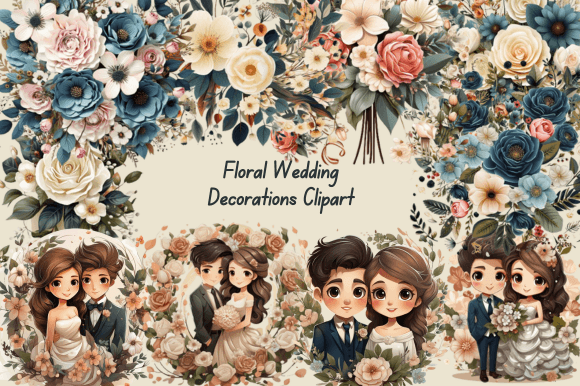
When we talk about the "Frame Wedding Collection with Floral," we aren't just talking about simple clip art. We are discussing a curated visual language. The concept combines the structural integrity of borders—rectangles, squares, and arches—with the chaotic beauty of botanical illustrations. This style vector approach is distinct because it mimics the texture of hand-drawn art while maintaining the scalability required for modern print and digital production.
The visual appeal lies in the contrast. A rigid frame suggests order and professionalism, while the intertwined floral elements—leaves, vines, and blooms—introduce softness and romance. This duality makes these assets incredibly versatile. You can use them to frame a wedding invitation, creating an elegant window for the text, or you can deconstruct the elements to use the floral vectors as standalone decorative accents on a website header. The aesthetic is timeless; it doesn't rely on fleeting design trends, ensuring that the materials you create today will still look relevant in five years.
Practical Applications for Modern Creatives
The true value of a design asset is measured by its utility across different mediums. If you are a designer or a small business owner, you need assets that can pivot from a physical product to a digital advertisement without losing quality. This collection is built for that kind of flexibility.
Because the package includes Ai, Eps, Png, Jpg, and Svg files, the workflow is seamless regardless of your preferred software. Here is how different professionals can leverage these files:
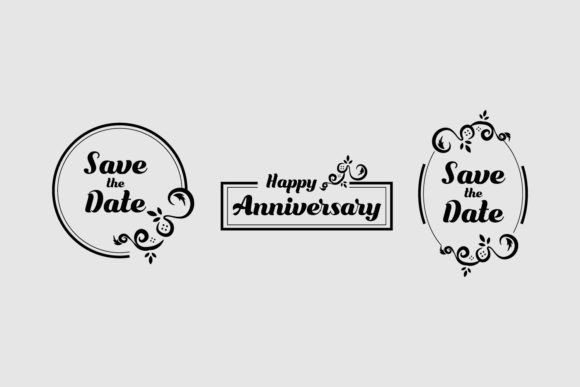
- Invitations and Stationery: This is the most immediate use case. The floral frames serve as the perfect vessel for typography in wedding suites, baby shower invites, or anniversary cards. The vectors ensure that when you send these to a professional printer, the lines remain crisp even on large signage.
- Branding and Logo Design: For businesses in the lifestyle, beauty, or artisan sectors, a logo needs to tell a story. Incorporating a subtle floral element from this collection can transform a standard wordmark into a bespoke crest. It adds a layer of sophistication that generic sans-serif logos often lack.
- Packaging Design: If you sell physical goods—candles, sofs, chocolates, or cosmetics—the unboxing experience is part of your brand identity. Using these vectors on labels, tissue paper, or box inserts creates a cohesive look that feels premium.
- Social Media and Web Design: In the digital space, visual hierarchy is crucial. You can use these frames to highlight testimonials on Instagram, create Pinterest-worthy quote graphics, or design "About Me" sections on a website that feel warm and inviting.
Streamlining Your Workflow with Versatile Formats
One of the biggest hurdles in design is compatibility. You might sketch an idea on an iPad, refine it in Adobe Illustrator, and then need a quick asset for a Canva social media post. Having a file suite that covers Ai, Eps, Png, Jpg, and Svg eliminates the friction of conversion.
The SVG (Scalable Vector Graphics) format is particularly useful for web designers. It keeps file sizes low while maintaining infinite scalability, which is essential for responsive web design. If you are a crafter using a Cricut or Silhouette machine for physical merchandise, SVG files are the industry standard for cutting paths. Meanwhile, the PNG files with transparent backgrounds are ready to drop into presentations, mood boards, or quick mockups without the need to remove white backgrounds manually.
For print designers, the EPS and Ai files allow for deep customization. You can change the stroke weight, alter the color palette to match a client’s specific Pantone requirements, or isolate a single leaf to use as a watermark. This level of editability is what separates a generic stock image from a professional design asset.
Enhancing Brand Identity and Audience Engagement
Visual consistency is the bedrock of brand recognition. When a potential customer sees your materials, they should immediately recognize your aesthetic. Using a consistent set of floral frames across your marketing assets helps build this visual memory.
Imagine a bakery that uses a specific arch-shaped floral frame on their menu, their business cards, and their Instagram stories. Over time, that specific shape and style become synonymous with their brand. It signals to the audience that this is a cohesive, detail-oriented business. It moves the brand identity from "functional" to "experiential."
Moreover, these elements drive engagement. Audiences are naturally drawn to images that are visually complex but organized. A clean frame draws the eye inward to the content—whether it’s a call to action, a product photo, or a headline. By guiding the viewer's eye, you increase the likelihood that they will read the message and take the desired action.
Tips for Integrating Floral Elements
While these assets are beautiful, how you use them determines the success of the design. Here are a few practical tips for integrating the Frame Wedding Collection with Floral into your projects:
- Don't Overcrowd: The floral details are intricate. If you are placing text inside a frame, ensure there is enough "breathing room" (negative space) so the text remains legible. Avoid using heavy, decorative fonts inside a busy floral frame; opt for a clean sans-serif or a simple serif to balance the complexity of the border.
- Color Harmony: While the default black or green vectors are classic, don't be afraid to recolor them to match your palette. Soft pastels work well for spring themes, while deep burgundies and forest greens can create a moody, autumnal vibe.
- Layering Techniques: Use the frames as a base layer. You can place a photo on top of the frame and use a "clipping mask" in your design software to fit the image perfectly inside the border. This creates a sophisticated editorial look often seen in high-end magazines.
- Mixing Styles: Don't feel limited to using the full frame. Crop the floral corners to create decorative accents for the top and bottom of a flyer, or use a single floral branch to separate sections of text in a blog post layout.
Ultimately, the goal of any design asset is to save you time while elevating the quality of your output. A collection that offers structured elegance with organic flair provides a toolkit that can adapt to the specific needs of your project, whether you are designing a rustic wedding invitation or a modern beauty brand identity. It’s about having the right elements on hand to turn a blank canvas into a finished piece of art.