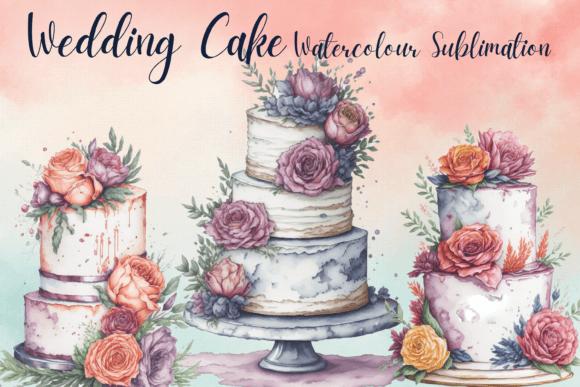
Capturing Romance: Wedding Cake Watercolor Sublimation Art
Every detail in a wedding tells a story, from the lace on the dress to the arrangement of the flowers, but few elements capture the imagination quite like the cake. For designers and creative entrepreneurs, translating that celebratory centerpiece into digital art requires a delicate touch. That’s where the ethereal beauty of watercolor design meets modern sublimation technology. It isn't just about drawing a cake; it is about capturing the mood of the event—the softness, the romance, and the intricate details that make a wedding unique. When you work with assets that blend these qualities, you move beyond simple graphics into creating genuine emotional connections for your audience.
The Visual Language of Watercolor in Wedding Design
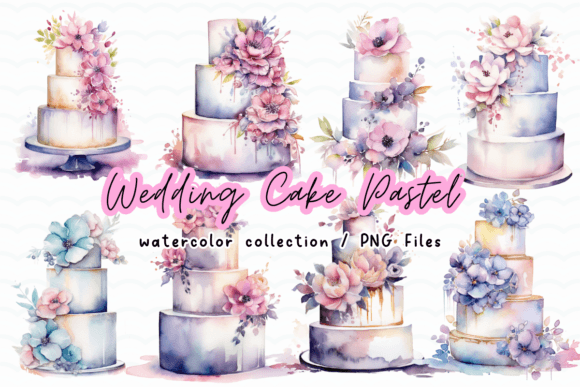
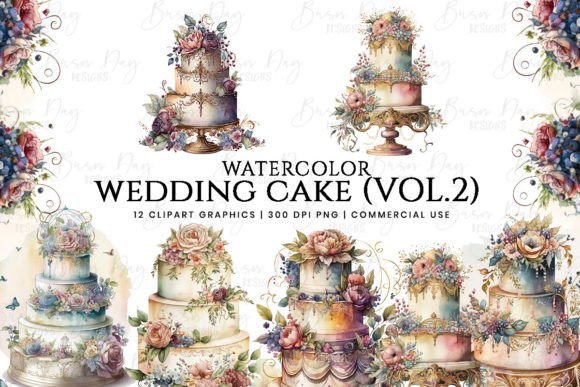
There is a reason why watercolor aesthetics remain a perennial favorite in the wedding industry. Unlike flat, solid colors, watercolor textures offer depth, movement, and a human touch that resonates deeply with viewers. The blending of pigments creates soft gradients and organic edges that feel organic and artisanal. When applied to a wedding cake design, this style elevates the graphic from a simple illustration to a piece of fine art.
The visual appeal lies in the imperfections and the fluidity. A solid vector shape can feel sterile, but a watercolor rendering brings the frosting to life. You can almost feel the texture of the icing or the lightness of the sponge. For professionals in the brand identity space, this style communicates elegance and sophistication without being overly rigid. It signals that a brand is approachable yet stylish. The interplay of light and shadow in a high-quality watercolor piece adds a three-dimensional quality that draws the eye, making it perfect for hero images on websites or the focal point of an invitation suite.
Practical Applications for Modern Creatives
Understanding the aesthetic is one thing; applying it effectively across various mediums is where the real value lies. The versatility of high-quality sublimation clipart allows it to transition seamlessly between digital and physical products. If you are a small business owner or a content creator, integrating these assets into your workflow can significantly streamline your production process while maintaining a high-end look.
Consider the world of packaging design. A boutique bakery or a wedding favor company can use these graphics to create custom tissue paper, box inserts, or sticker labels that instantly communicate "premium." Because the files are often available in formats like PNG with transparent backgrounds, they are incredibly easy to layer onto mockups or print files. This flexibility is crucial for merchandise creation. Imagine tote bags, coffee mugs, or throw pillows sold on print-on-demand platforms; the watercolor style ensures these items look curated rather than mass-produced.
Beyond physical goods, the digital landscape offers endless possibilities:
- Social Media Graphics: Instagram and Pinterest are visually driven platforms. Using these graphics as backgrounds or focal points for posts about wedding planning, bakeries, or event coordination can stop the scroll and increase engagement.
- Editorial Design: Bloggers writing about wedding trends can use these images to break up text, adding visual interest that complements the written content.
- Marketing Assets: From email headers to digital flyers, the consistent use of these motifs helps in building a recognizable visual language for your campaigns.
Integrating Assets into Your Brand Identity
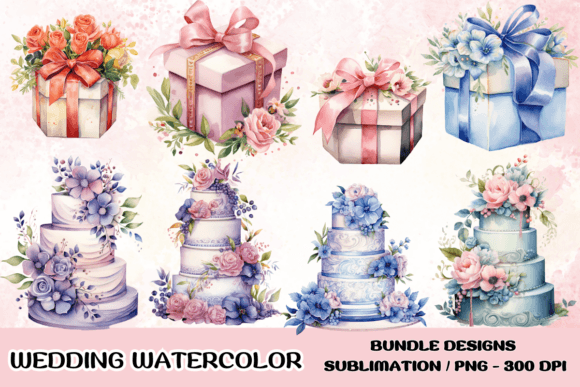
Consistency is the backbone of effective branding. When a customer sees your logo, your social media post, and your physical product, they should feel a cohesive thread connecting them all. Using a unified set of design assets, such as a dedicated Wedding Cake Watercolor Sublimation collection, helps achieve this visual harmony.
For a wedding planner or a stationary designer, these graphics aren't just decorations; they are foundational elements of your visual consistency. By using the same style of illustration across your logo design, business cards, and website, you build brand recognition. Clients begin to associate that specific aesthetic with your service. It tells them you pay attention to detail and value beauty.
However, integrating these assets requires a thoughtful approach to typography. A heavy, industrial sans-serif font might clash with the delicate nature of watercolor art. Instead, consider pairing these graphics with script fonts or elegant serif fonts that mimic the flow of hand-lettering. The goal is to ensure readability while maintaining the romantic mood. A good font pairing will guide the viewer’s eye naturally from the image to the text without creating visual dissonance.
Technical Considerations for High-Quality Output
While the artistic side is important, the technical specifications of your design assets determine how professional the final product looks. Low-resolution images can pixelate when printed, ruining the illusion of quality. This is why investing in high-resolution vector files or high-DPI PNGs is non-negotiable for serious creators.
When working with sublimation or print-on-demand, the format of your file matters immensely. A transparent background is often essential, allowing you to place the cake illustration over colored card stock, textured backgrounds, or complex layouts without the awkward white box surrounding it. Furthermore, having access to SVG (Scalable Vector Graphics) formats means you can resize the image to fit a tiny business card or a large event banner without losing a single pixel of clarity. This scalability ensures that your design assets remain sharp and crisp, regardless of the application.
For those creating digital products to sell, such as planner inserts or invitation templates, the ease of editing is key. You want assets that are "cut-ready" or easily isolated. This saves hours of manual editing, allowing you to focus on the creative composition rather than technical troubleshooting. It transforms the asset from a static picture into a dynamic tool for your creative projects.
Tips for Choosing and Using Decorative Elements
Selecting the right graphic involves more than just picking a pretty picture. It requires aligning the visual element with the specific goals of your project. A vintage-themed wedding requires a different artistic treatment than a modern, minimalist elopement. Even within the watercolor genre, there are variations in brush strokes, color saturation, and composition.
Here are a few practical tips to ensure you get the most out of these assets:
- Context is King: Before selecting a specific cake design, visualize where it will live. If it’s for a busy background, look for a simpler composition. If it’s a standalone feature, look for intricate details and vibrant colors.
- Color Harmony: Ensure the palette of the clipart matches your existing brand colors. While you can often adjust hues slightly, it is best to start with a natural fit to maintain the integrity of the watercolor effect.
- Licensing Matters: Always review the commercial licensing terms. If you plan to sell products featuring the art, you need to ensure you have the right to do so. This protects your business legally and respects the original artist's work.
- Test Your Pairings: Don't just slap text over an image. Experiment with placement. Sometimes, placing the text to the side and using the graphic as an accent works better than an overlay. Test different font styles—from bold headlines to subtle sub-text—to see what creates the best hierarchy.
Ultimately, the goal is to create a seamless experience for your viewer. Whether you are designing a wedding invitation, a social media campaign, or a line of print materials, the right combination of imagery and typography creates a story. By utilizing specialized assets like the Wedding Cake Watercolor Sublimation collection, you are equipping yourself with professional-grade tools that bring that story to life with elegance and precision. It is about taking the ephemeral beauty of a wedding celebration and freezing it in time through thoughtful, high-quality design.